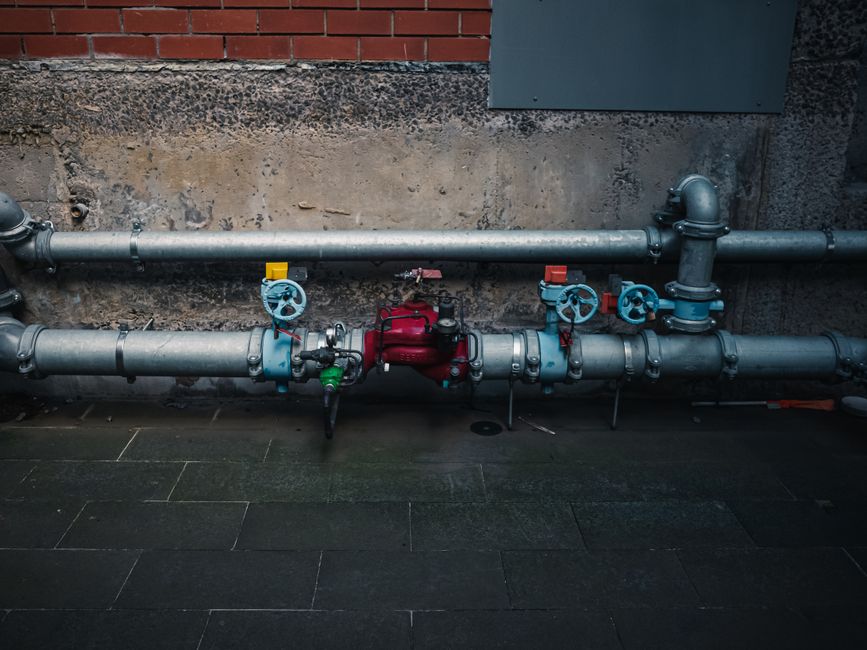
If the blockage is confirmed to be inside the utility’s sewer main rather than your private pipes, you should not be liable for the plumber’s call-out or clearing costs. In most cases across Thornleigh, Hornsby, and the broader Hills District, Sydney Water is the responsible authority for public sewer infrastructure. This post explains how to prove the blockage is theirs, how to claim reimbursement, and what to do if your claim is disputed.
Understand Who Owns Which Part of the Sewer System
The sewer network is split into two distinct sections. Sydney Water owns and maintains the public sewer main, which runs under the street or through public easements. You, as the property owner, are responsible for the private drain that runs from your house to the connection point at the boundary.
The connection point is usually at the property boundary or the junction fitting where your drain meets the main. Any blockage or damage on your side of that point is your cost to fix. Any blockage on Sydney Water’s side is their responsibility.
In older areas like Thornleigh and parts of the Hills District, the boundary connection can sometimes be unclear because pipes were laid decades ago without precise records. A licensed plumber can use a CCTV drain camera to pinpoint exactly where the blockage sits and document it on video.
Identify the Signs That the Blockage Is in the Main
Knowing whether the problem is in your private drain or the public main is the first practical step before calling Sydney Water or making any claim. There are clear signs that point toward a main sewer issue.
- Multiple properties on the same street are experiencing slow drains or sewage backups at the same time.
- Your drains were flowing freely, then suddenly all fixtures backed up at once with no internal cause.
- Sewage is overflowing from gully traps or inspection openings in the street or footpath near your property.
- A CCTV inspection confirms the blockage or pipe damage is located past your connection point in the main.
- Sydney Water’s field crew can confirm the problem when they attend to inspect their assets.
If only one drain inside your house is blocked while others run fine, the blockage is almost certainly in your private pipework. That cost falls to you as the homeowner.
Know Your Rights Under Sydney Water’s Responsibility Framework
Sydney Water has a legal obligation to maintain the public sewer network under the Sydney Water Act 1994 and their Operating Licence conditions. When a main sewer blockage causes damage or forces you to call a plumber, you have grounds to seek reimbursement for reasonable costs incurred.
Sydney Water’s customer contract and their published Customer Charter acknowledge that they are responsible for blockages in the main that cause overflow or property damage. However, they do not automatically pay every claim. You need to document your situation clearly.
Keep these records before, during, and after any incident:
- Photos or video of the overflow or backup inside and outside your property.
- The plumber’s invoice showing the date, time, work performed, and location of the blockage.
- A CCTV report or written statement from the plumber confirming the blockage was in the main.
- A log of when you called Sydney Water and what their response was.
- Any damage to property caused by the sewage overflow, with photos and repair quotes.
JSW Plumbing always provides written reports with CCTV footage when investigating drain blockages in Thornleigh and the Hills District, which gives homeowners the exact evidence they need for a Sydney Water claim.
Compare What Sydney Water Will and Will Not Cover
Understanding what costs are typically reimbursable versus what falls outside the scope of a utility claim will save you frustration. The table below outlines common scenarios.
| Scenario | Likely Responsible Party | Claim Possible? |
|---|---|---|
| Blockage confirmed in public sewer main | Sydney Water | Yes, with documentation |
| Plumber called out before blockage location confirmed | Shared or disputed | Partial, case by case |
| Blockage in your private drain on your property | Homeowner | No |
| Sewage overflow damages flooring or contents | Sydney Water (if main caused it) | Yes, via home insurance or Sydney Water claim |
| Tree roots from your tree blocking main | Disputed, often homeowner | Unlikely |
| Sydney Water delays cause extended damage | Sydney Water | Yes, document response times |
If you are unsure where the responsibility line sits, JSW Plumbing can attend your Hornsby or Thornleigh property, run a camera through the drain, and give you a written finding before you spend money on clearing work you may not need to pay for.
Follow the Correct Process to Make a Claim with Sydney Water
Making a successful claim requires you to follow Sydney Water’s process in the right order. Acting too quickly without evidence, or skipping steps, can result in a rejected claim.
- Call Sydney Water on 13 20 90 as soon as you notice sewage overflow or suspect a main blockage. Report the incident and get a reference number.
- Ask Sydney Water to send a crew to inspect their assets. Their crew can confirm the blockage on their side and log it internally.
- Call a licensed plumber to attend and document the situation on your end, particularly if sewage is entering your property and causing damage.
- Collect all invoices, the CCTV report, and damage photos before submitting your claim.
- Submit a formal claim through Sydney Water’s Customer Claims process, either online or by calling their customer service team.
- Follow up in writing so you have a paper trail if the claim is disputed or delayed.
Sydney Water typically responds to formal claims within 20 business days. If your claim is rejected and you believe it is valid, you can escalate to NSW Fair Trading or the Energy and Water Ombudsman NSW (EWON) at no cost.
Review Typical Plumbing Costs You Might Claim Back
Knowing the realistic cost range for the plumbing work involved helps you understand what a reimbursement claim might cover. Costs in the Hills District and northern Sydney suburbs are broadly consistent with the figures below.
| Service | Typical Cost Range (AUD) | Notes |
|---|---|---|
| Emergency call-out fee | $150 to $250 | Higher on weekends and public holidays |
| CCTV drain inspection | $250 to $450 | Includes written report and footage |
| Drain jetting or clearing (private drain) | $200 to $400 | May not be claimable if blockage was in main |
| After-hours sewage overflow attendance | $300 to $600 | Document everything for the claim |
| Written plumber’s report for claim evidence | Included or $80 to $150 | Essential for any reimbursement claim |
Sydney Water will typically reimburse reasonable and necessary costs. Avoid having extensive work done on your private pipes before the main blockage is cleared and confirmed, as costs for private drain work are not claimable even if a main issue triggered the backup.
FAQs on Claiming Plumber Costs for Sewer Main Blockages
What if the plumber cleared the blockage before we knew it was in the main?
This is a common situation and it does not automatically disqualify your claim. Submit the invoice and explain the circumstances in writing. Sydney Water assesses claims on a case-by-case basis, and if the blockage was confirmed in their main, they may still reimburse you for all or part of the cost.
Does my home insurance cover plumber costs caused by a main sewer blockage?
Some home insurance policies cover damage caused by sewage overflow, including cleanup and reinstatement of flooring or walls. However, most policies do not cover the plumber’s call-out fee itself. Check your policy’s water damage and sewage overflow clauses, and consider lodging both a Sydney Water claim and an insurance claim if property damage occurred.
How long does Sydney Water take to respond to a sewer main blockage?
Sydney Water’s target response time for a sewage overflow affecting a property is within four hours for high-priority incidents. In practice, response times in suburban areas like Hornsby and Thornleigh can vary. Document the exact time you reported the issue and the time they arrived, as delays that cause additional damage can strengthen your compensation claim.
Can I call a private plumber first, or do I have to wait for Sydney Water?
You can call a private plumber at any time, especially if sewage is actively entering your home. You do not need to wait for Sydney Water’s crew. However, calling Sydney Water at the same time creates the official record you need for a claim. Having both a Sydney Water job number and a plumber’s report gives your claim the strongest possible foundation.
What if tree roots from my neighbour’s tree caused the main to block?
Tree root intrusion into the public sewer main is Sydney Water’s problem to resolve, regardless of where the tree is located. The main is their asset and their responsibility to maintain and repair. You would still follow the same claims process, and your plumber’s CCTV footage showing roots in the main would serve as the key evidence.
Is the process different for strata properties in the Hills District?
For strata properties, the responsibility lines can be more complex. The owners corporation typically manages shared internal pipes within the building, while Sydney Water handles the public main. If you live in a strata complex in Thornleigh or Castle Hill, speak with your strata manager first and then contact Sydney Water together if the blockage is in the main.
Wrap up and next steps
If the blockage causing your drain problems is confirmed to be in Sydney Water’s sewer main, you have clear grounds to seek reimbursement for reasonable plumbing costs. The key is documentation: a CCTV report, your plumber’s invoice, and a Sydney Water reference number will form the backbone of any successful claim.
JSW Plumbing serves homeowners across Thornleigh, Hornsby, and the Hills District and provides the written reports and camera footage you need to support a utility claim. Call JSW Plumbing today to book a CCTV drain inspection or to get expert advice on your specific situation before you spend money you may be able to recover.